
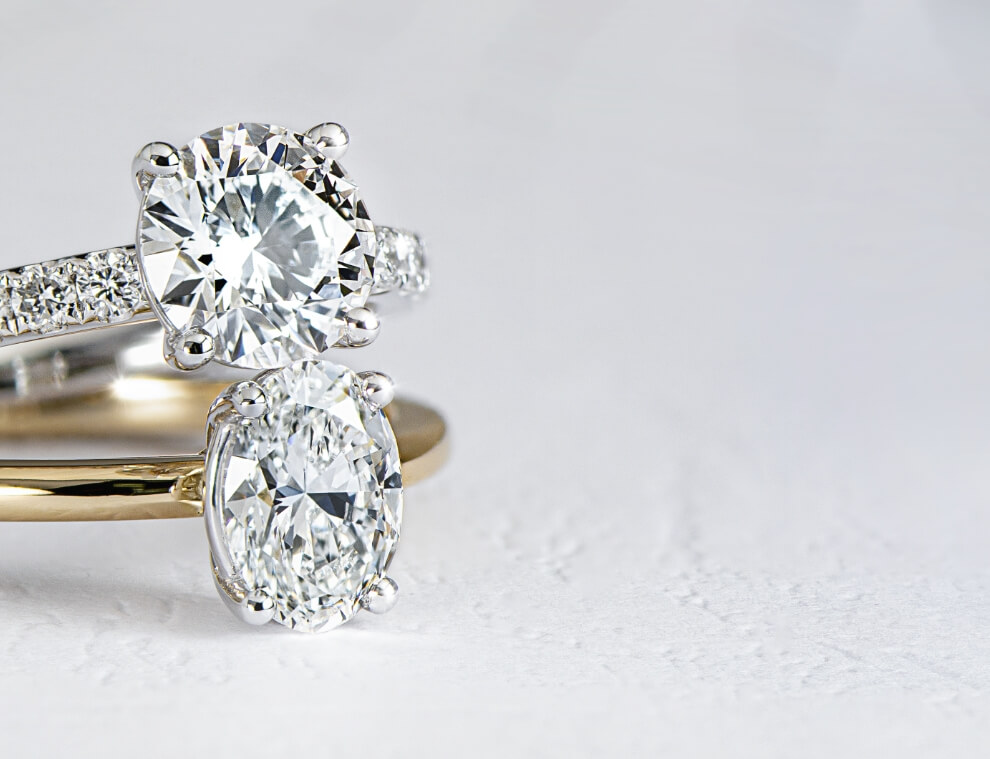
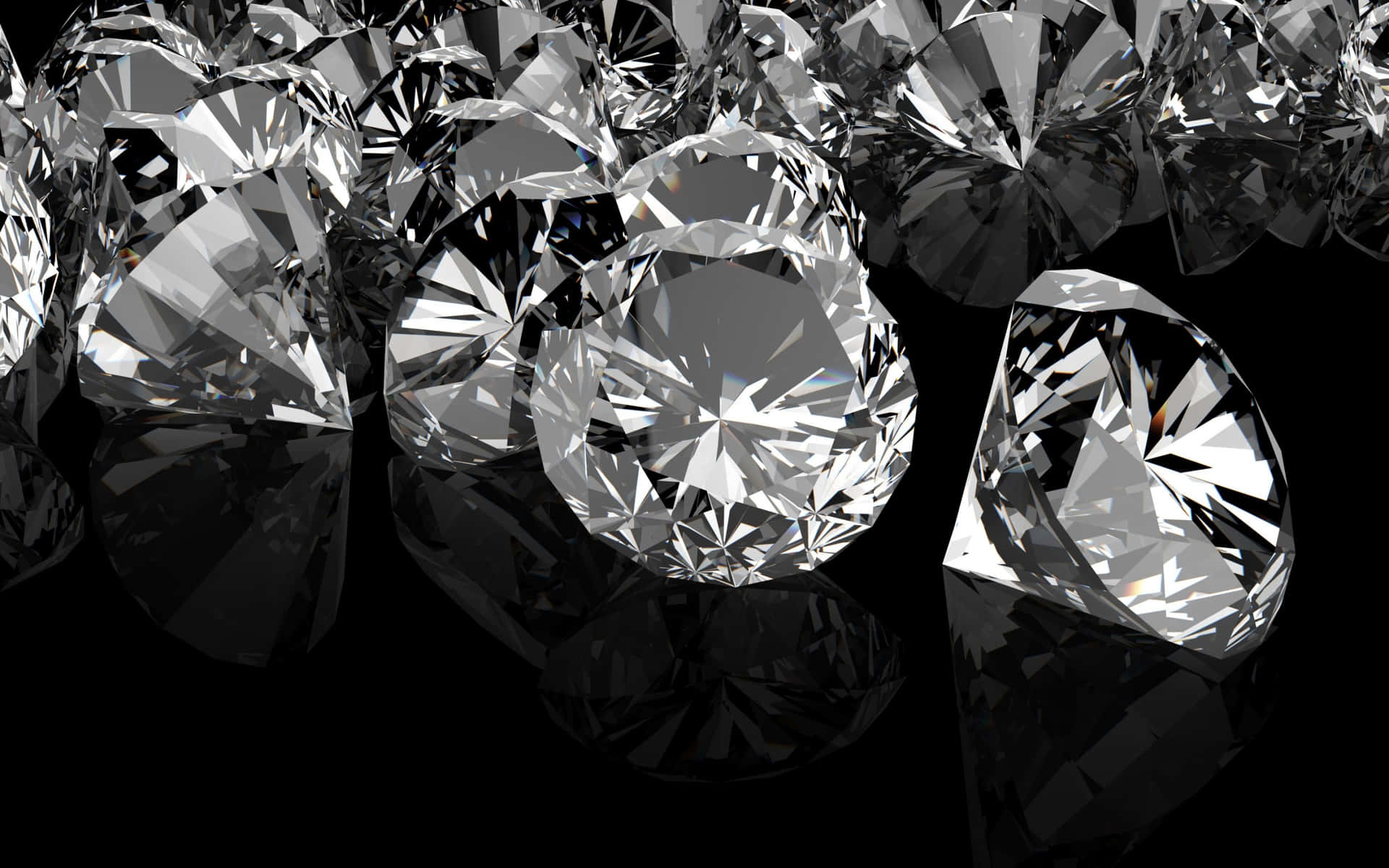
Search

The Insider Story of Lab Diamonds: A Brighter Future

1. Introduction to Lab Diamonds

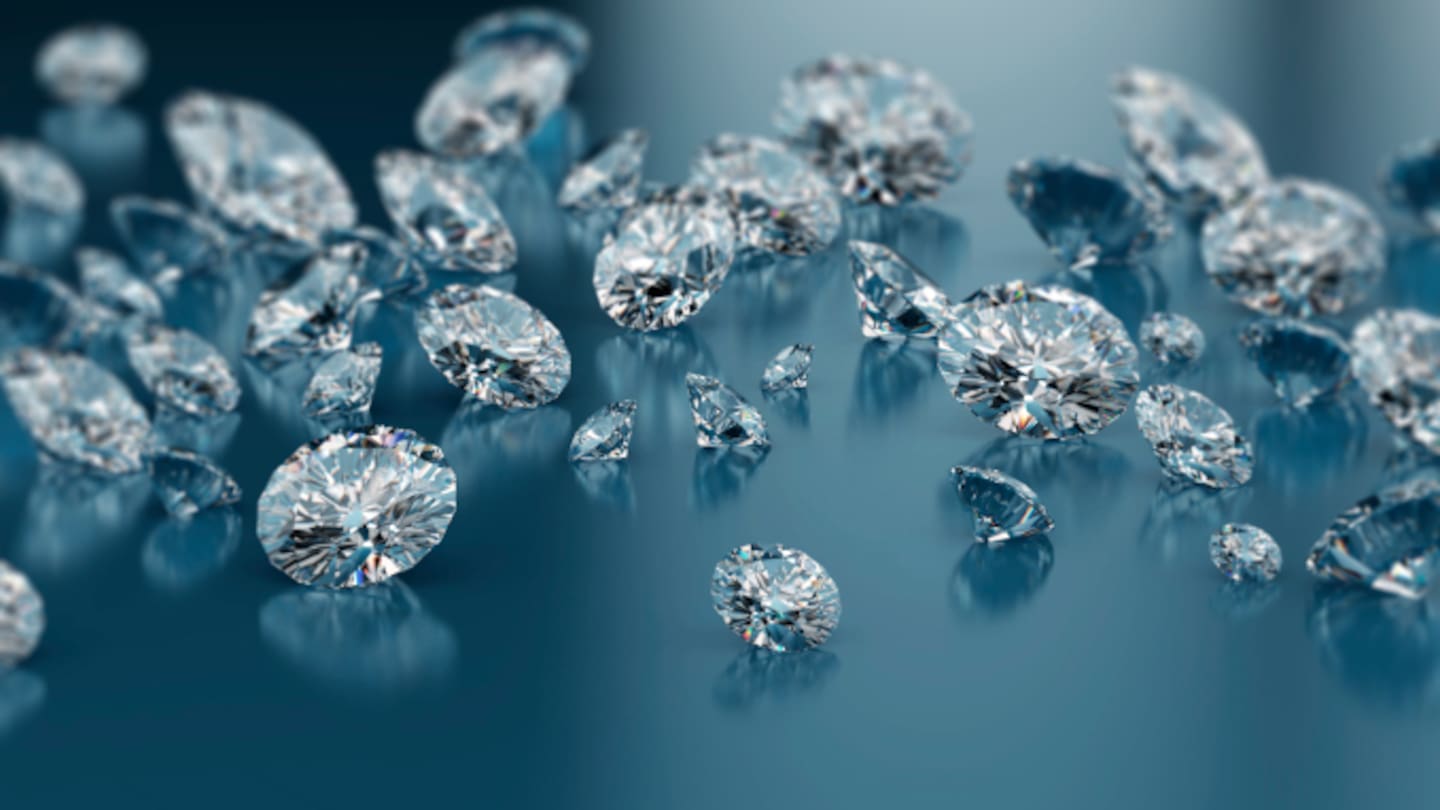
Lab diamonds are creating quite a buzz in the gems world, and understandably! They offer all the beauty and brilliance of natural diamonds yet with added benefits like ethical sourcing and lower prices. In this article, we’ll take you on an insider venture through the universe of insider story of lab diamonds better, exploring their creation, rise in popularity, and the impact they have on culture and society. Ready to dive in?

2. The Science Behind Lab Diamonds

Understanding how lab diamonds are made is critical to appreciating their value. These beauties aren’t simply created overnight; there’s some serious science involved!

2.1 How Are Lab Diamonds Made?

Lab diamonds are created using advanced innovation that mimics the natural cycles that form diamonds profound within the Earth. There are two main techniques: High Tension High Temperature (HPHT) and Chemical Vapor Deposition (CVD).

HPHT diamonds are made by replicating the outrageous heat and strain conditions tracked down in nature. In contrast, CVD diamonds are created by using a gas mixture that allows carbon to settle onto a substrate, gradually forming a diamond crystal.

2.2 Sorts of Lab Diamond Production

Both HPHT and CVD strategies yield high-quality diamonds. While HPHT will in general create larger stones, CVD is frequently utilized for smaller, more intricate designs. This flexibility in production means that there’s a lab diamond for everyone!

3. The Rise of Lab Diamonds in the Market

As of late, lab diamonds have seen a significant rise in popularity. Be that as it may, what’s driving this pattern?

3.1 Changing Consumer Inclinations

Today’s consumers are more conscious about their purchasing decisions. Many lean toward lab diamonds for their ethical sourcing and transparency in the production cycle. This shift in inclination is reshaping the gems industry, pushing traditional retailers to adapt.

3.2 Ethical and Environmental Considerations

Mining natural diamonds can be harmful to the environment and frequently involves labor issues. Lab diamonds, on the other hand, are created in controlled environments, making them a more eco-friendly option. Choosing lab-grown means making a positive impact!

4. Comparing Lab Diamonds to Natural Diamonds

Anyway, how do lab diamonds stack facing their natural counterparts? How about we break it down.

4.1 Quality and Appearance

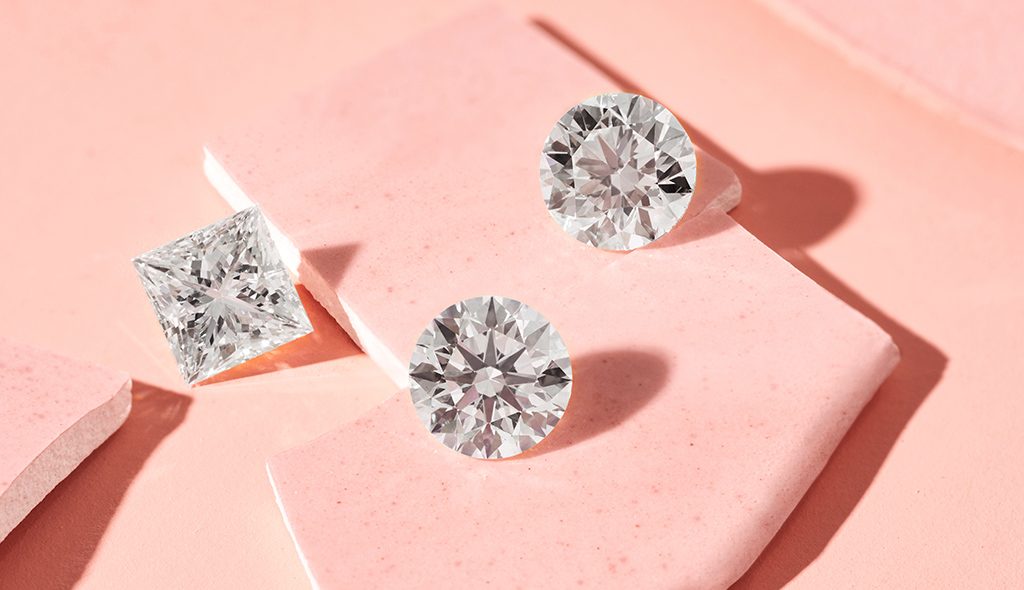
Lab diamonds are chemically and physically identical to natural diamonds. In fact, many gem dealers can’t actually differentiate without specialized equipment! This means you can partake in the same sparkle and brilliance without the powerful price tag.

4.2 Price Differences

One of the main advantages of lab diamonds is their price. Typically, they are 20-40% cheaper than natural diamonds. This affordability allows consumers to invest in larger or higher-quality stones without breaking the bank.

4.3 Investment Value

While lab diamonds are a fantastic choice for personal gems, their investment value is still a topic of discussion. Natural diamonds have historically appreciated in value, while lab diamonds, being fresher to the market, are still establishing their resale potential.

5. The Cultural Impact of Lab Diamonds

Lab diamonds are not only a pattern; they are influencing society and societal standards in various ways.

5.1 Symbolism in Engagement and Wedding Rings

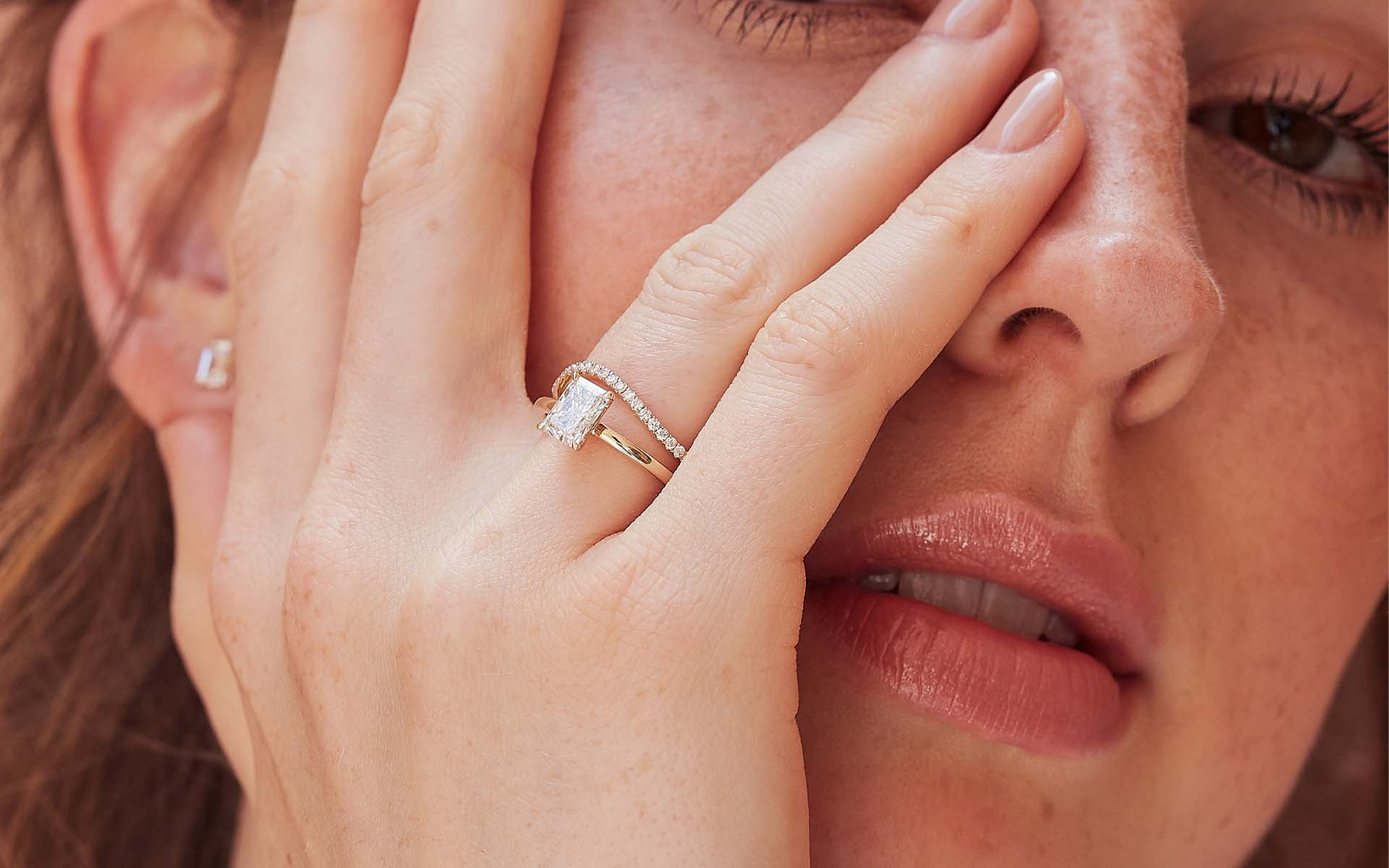
Traditionally, diamonds have been images of adoration and commitment. Lab diamonds are changing the narrative, representing another era of responsible and ethical love. Many couples are choosing lab made diamonds for their engagement rings, aligning their values with their purchases.

5.2 Changing Fashion Patterns

As lab diamonds gain popularity, they’re also influencing fashion patterns. Gems designers are experimenting with recent fads and settings, allowing for unique and personalized pieces that reflect individual tastes.

6. The Eventual fate of Lab Diamonds

What does the future hold for lab diamonds? We should investigate a few exciting possibilities.

6.1 Technological Advances

As innovation continues to improve, lab diamonds will only get better. Expect larger, more intricate stones to turn out to be more accessible as production strategies develop. Who can say for sure what innovations are on the horizon?

6.2 Market Predictions

The market for lab diamonds is supposed to fill substantially in the coming years. With increasing awareness and acceptance, they may soon dominate the gems market, reshaping the landscape for diamond purchases.

7. Oftentimes Asked Questions About Lab Diamonds

Still have questions? Here are a few common inquiries that individuals have about lab diamonds.

7.1 Are Lab Diamonds Real Diamonds?

Absolutely! Lab diamonds are real diamonds. They share the same physical, chemical, and optical properties as natural diamonds. The only difference lies in their origin — one is mined, and the other is created in a lab.

7.2 How to Purchase Lab Diamonds Safely?

While buying lab diamonds, guarantee you purchase from reputable retailers who provide certification and transparency regarding their sourcing. Search for diamonds graded by recognized gemological institutes for peace of mind.

8. Conclusion: Embracing the Lab Diamond Revolution

The narrative of lab diamonds is simply beginning, and it’s a bright one! With their ethical production, stunning quality, and growing popularity, lab diamonds address a shift towards a more responsible and inclusive future in the gems industry. Thus, whether you’re shopping for an engagement ring or simply want to add a bit of sparkle to your collection, consider embracing the beauty and benefits of lab diamonds. After all, who couldn’t want a diamond with a story that shines similarly as brightly?

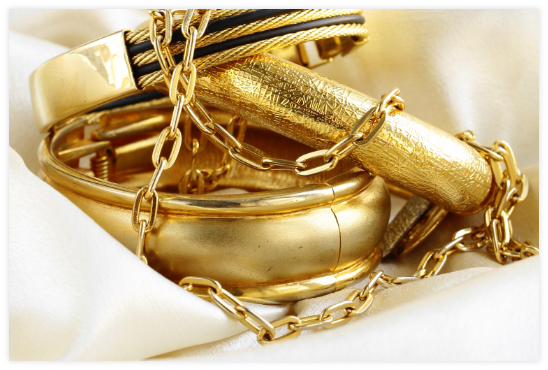
Platinum vs. Gold Lab Diamond Rings: Which is Right for You?

Introduction: The Rise of Lab Diamond Rings

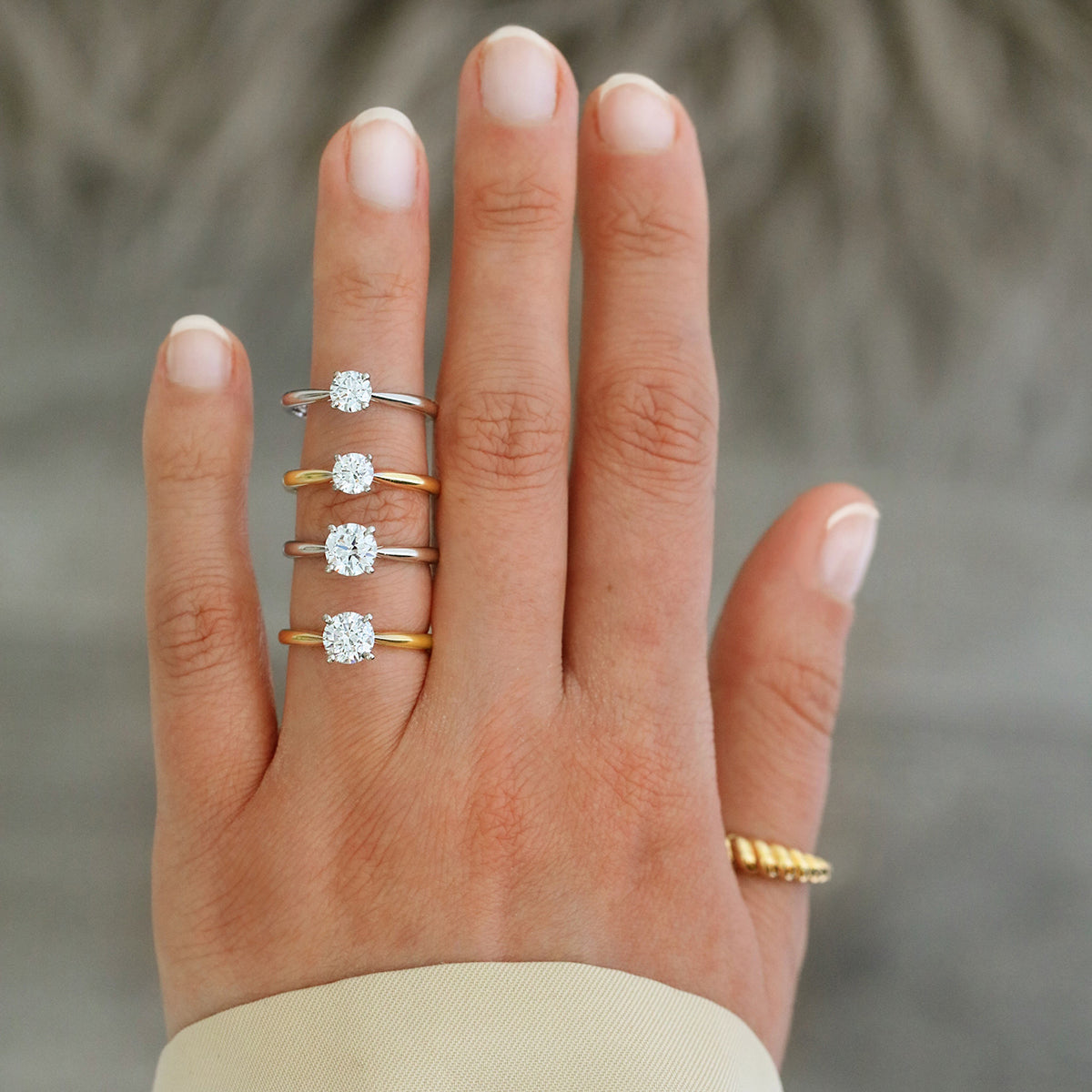
In the ever-evolving world of jewelry, lab diamond rings are gaining tremendous popularity. They’re not only stunning but also offer ethical and sustainable options for cfouples. With two primary contenders in the ring—platinum vs gold lab diamond rings—choosing the right metal for your lab diamond ring can feel overwhelming. So, let’s dive in and explore the ins and outs of each option!

What Are Lab Diamond Rings?

Lab diamond rings are made with diamonds that are grown in a laboratory rather than mined from the Earth. These diamonds have the same physical and chemical properties as natural diamonds, making them just as beautiful and durable. The only difference? Their creation method.

Why Choose Lab Diamonds?

Choosing lab diamonds comes with a plethora of benefits. They are often more affordable than their mined counterparts, allowing you to invest in a larger or higher-quality stone. Additionally, they come with an ethical backing, as no harmful mining practices are involved. This makes them a popular choice among environmentally-conscious consumers.

Understanding Platinum Rings

Platinum is a precious metal that’s often touted for its unique properties and luxurious appeal. Let’s dig deeper into what makes platinum special.

Characteristics of Platinum

Durability and Longevity

One of the standout features of platinum is its durability. It’s denser and heavier than gold, making it resistant to wear and tear. If you want a ring that will last a lifetime without significant scratches or dents, platinum is a strong contender.

Appearance and Shine

Platinum boasts a natural white sheen that complements diamonds beautifully. Unlike gold, which can fade or require re-plating, platinum maintains its luster over time, giving your ring a timeless look.

Pros and Cons of Platinum Rings

Pros:

  • Exceptional durability
  • Hypoallergenic properties
  • Retains its shine without re-plating

Cons:

  • Higher price point compared to gold
  • Heavier feel, which may not be comfortable for everyone

Exploring Gold Lab Diamond Rings

Gold has been a favorite in jewelry for centuries, and lab diamond rings are no exception. Let’s take a closer look at this classic choice.

Characteristics of Gold

Types of Gold Used in Jewelry

Gold jewelry typically comes in three purities: 10K, 14K, and 18K, with higher karats containing more pure gold. The higher the karat, the softer the gold, which affects its durability.

Color Options: Yellow, White, and Rose Gold

Gold rings come in various colors:

  • Yellow Gold: The classic, warm hue that many people love.
  • White Gold: Often alloyed with metals like palladium or nickel, giving it a sleek, modern look.
  • Rose Gold: A trendy option with a pinkish hue, offering a romantic vibe.

Pros and Cons of Gold Rings

Pros:

  • Versatile in terms of color and style
  • Generally more affordable than platinum
  • Lightweight and comfortable

Cons:

  • May require more maintenance, like re-plating for white gold
  • Can be softer and more prone to scratches

Comparing Platinum and Gold Lab Diamond Rings

When it comes down to the nitty-gritty, comparing platinum and gold lab diamond rings can help you make an informed decision.

Cost Comparison

While gold is typically more budget-friendly, platinum’s durability and unique properties come with a higher price tag. However, the initial investment in platinum might save you money in the long run due to its longevity.

Maintenance and Care

Gold rings, especially white gold, may require periodic re-plating to maintain their shine. Platinum, on the other hand, tends to need less upkeep, as it maintains its appearance over time. However, both metals require regular cleaning to keep their sparkle.

Style and Aesthetic Preferences

Your personal style plays a significant role in this decision. If you love classic and timeless pieces, platinum might be the way to go. If you prefer versatility and color options, gold could be a better fit.

Making the Right Choice for Your Ring

Choosing between platinum and gold is more than just a matter of preference; it also reflects your lifestyle and budget.

Personal Style and Lifestyle

Consider your daily routine and personal style. If you lead an active lifestyle, durability might be your top priority, leaning you toward platinum. If you appreciate changing your jewelry and styles often, gold might suit your dynamic preferences better.

Budget Considerations

Be realistic about your budget. If you have the means, investing in platinum can be worthwhile for its longevity. If you’re looking to save, gold offers beautiful options without breaking the bank.

The Future of Lab Diamond Rings

As the market for lab-grown diamonds expands, it’s essential to keep an eye on upcoming trends and movements.

Trends in Engagement and Wedding Rings

More couples are opting for lab created diamonds, driven by their affordability and ethical benefits. This shift in consumer preferences indicates a growing acceptance of lab diamonds as a mainstream choice.

Sustainable Jewelry Movement

With increasing awareness about sustainability, both platinum and gold lab diamond rings are at the forefront of eco-friendly jewelry trends. Consumers are more informed and interested in making ethical purchases, pushing jewelers to innovate.

Conclusion: Choosing Your Perfect Ring

Ultimately, whether you lean towards platinum or gold lab diamond rings, both options offer stunning beauty and unique benefits. Reflect on your personal style, budget, and lifestyle to make the best choice. Remember, your ring symbolizes a significant moment in your life, so choose one that truly resonates with you. Happy ring hunting!

Why Pawn Shops Perth Are Losing Sellers to Better Sell Gold Melbourne Options

The rise in gold prices has led many Australians to reconsider how and where they exchange their precious metals for cash. While pawn shops Perth have long been a go-to for quick transactions, a growing number of savvy sellers are turning to alternative options to sell gold Melbourne for better payouts, more transparency, and a smoother process.

The Changing Landscape of Gold Selling in Australia

Gold has always been a reliable investment — immune to inflation, high in liquidity, and easily convertible to cash. But as the gold resale market becomes more competitive, sellers are seeking not just convenience, but also fair value. That’s where the divide between local pawnshops and specialised gold buyers becomes clear.

What to Expect from Pawn Shops in Perth

Pawn shops Perth have earned a reputation for accessibility. They’re scattered throughout suburban and metro areas and often offer same-day cash. However, there are some drawbacks to consider when selling gold through pawnshops:

1. Lower Payout Rates

Pawnshops tend to offer significantly less than market value. Their business model focuses on reselling or lending against items rather than maximizing gold value for the seller. While convenient, it’s not ideal for those seeking fair returns.

2. Limited Testing Capabilities

Unlike dedicated gold buyers, many pawnshops don’t offer sophisticated equipment to properly test the purity of gold. This may result in under-valuations, especially for items without hallmark stamps.

3. Less Transparency

Negotiation is often expected in pawnshops. Unfortunately, this can leave sellers unsure whether they’ve received a fair deal. The lack of standardisation across pawn shops Perth can make the experience hit or miss.

Why Melbourne Gold Buyers Are Gaining Popularity

It’s no secret that many sellers in Western Australia are exploring options outside their local region — particularly when they want to sell gold Melbourne style: with professionalism, transparency, and competitive returns.

Here’s what sets Melbourne’s gold buying market apart:

1. Higher Offers Closer to Market Rate

Top-tier Melbourne gold buyers typically pay between 90% to 98% of the current gold spot price. This is far above what you’ll typically receive at a Perth pawnshop, which may only offer 60–75%.

2. Free, Insured Shipping from Anywhere in Australia

To attract national clients, many Melbourne-based dealers offer secure, fully-insured shipping kits. This allows Perth residents to safely send their gold and receive a quote with no obligation to proceed.

3. Specialised Expertise

Unlike general pawnshops, gold buyers in Melbourne specialise in one thing: precious metals. They have certified equipment and professionals trained in accurately assessing purity and weight. That means better precision — and better offers.

4. Transparent, No-Haggle Pricing

When you sell gold Melbourne, you often get a fixed rate per gram based on purity. Reputable buyers post their pricing online, so you know exactly what to expect — no awkward negotiation, no pressure.

The Financial Difference: Perth Pawnshops vs Melbourne Gold Buyers

Let’s compare an example:

You want to sell a 50-gram 18K gold necklace.

  • Gold Content Calculation:
    18K gold is 75% pure → 50g x 0.75 = 37.5g of pure gold

  • Current Spot Price:
    Let’s assume $100 per gram (rounded for simplicity)

  • Total Gold Value:
    37.5g x $100 = $3,750

Buyer Type Offer Rate Total Payout
Pawn Shop (Perth) 70% $2,625
Gold Buyer (Melbourne) 95% $3,562.50

That’s a difference of $937.50 — a substantial gain just by choosing the right place to sell.

How to Sell Your Gold to Melbourne from Perth

Even if you live in WA, the process of selling gold to a Melbourne buyer is simple:

  1. Request a Gold Selling Kit
    Most dealers offer this for free. It includes secure packaging and prepaid, insured shipping.

  2. Send Your Gold
    Pack your items securely and send via the provided courier label. It’s typically insured up to a value like $10,000.

  3. Get a Valuation
    Once received, your items are assessed, weighed, and tested.

  4. Approve the Offer
    You’ll receive a detailed quote. If you accept, funds are transferred (often same day). If not, your gold is returned free of charge.

Online Reviews Matter

One of the key reasons more people choose to sell gold Melbourne rather than use pawn shops Perth is due to online reputation. Melbourne gold buyers often have:

  • Hundreds of verified 5-star Google reviews

  • Testimonials across Trustpilot or ProductReview

  • Accreditation from gold industry bodies

Always check reviews before committing. A reputable gold buyer will make you feel confident and informed.

Are There Risks in Shipping Gold?

It’s understandable to feel cautious about sending gold in the mail. But with insured, tracked services provided by legitimate buyers, risks are minimal. Just follow these best practices:

  • Use tamper-proof packaging

  • Photograph your items before sending

  • Track your parcel online

  • Work only with licensed and insured buyers

Reputable sell gold Melbourne services ensure you’re fully protected from start to finish.

Final Thoughts: Perth vs Melbourne for Selling Gold

While pawn shops Perth may offer speed and convenience, they often fall short on value, transparency, and expertise. For anyone serious about getting the most out of their gold assets, it makes sense to explore what sell gold Melbourne professionals can offer.

From free insured shipping to higher payout rates, the benefits are hard to ignore. Selling gold no longer has to be limited by geography — thanks to modern services, the best deal in Australia might be just a parcel away.

Diamonds and Karma: Lab-Made Diamonds Redefining Luxury

The world of diamonds has long been synonymous with luxury, prestige, and timeless beauty. Traditionally, diamonds and karma have been mined from deep within the Earth, representing both natural rarity and splendor. However, as ethical and environmental concerns become more pressing in the modern era, the rise of lab-made diamonds has introduced a fresh alternative to this age-old industry. These diamonds, grown in controlled laboratory environments, offer a more sustainable and morally conscious way to indulge in the brilliance of diamonds, redefining luxury with an emphasis on karma and responsibility.

What Are Lab-Made Diamonds?

Lab-made diamonds, also known as laboratory-grown diamonds or synthetic diamonds, are diamonds that are created in highly controlled environments using advanced technological processes that replicate the conditions under which natural diamonds are formed. These diamonds are produced using one of two methods: High Pressure-High Temperature (HPHT) or Chemical Vapor Deposition (CVD). Both processes result in diamonds that are chemically, physically, and optically identical to natural diamonds.

Unlike cubic zirconia or moissanite, which are diamond simulants, lab-made diamonds are real diamonds. They have the same carbon crystal structure as their naturally mined counterparts and are virtually indistinguishable from natural diamonds to the naked eye or even under a jeweler’s loupe.

How Lab-Made Diamonds Compare to Natural Diamonds

In terms of appearance and quality, there is no difference between a lab-made diamond and a natural diamond. Lab-made diamonds possess the same clarity, brilliance, and fire as natural diamonds. However, several key distinctions set lab-grown diamonds apart from their mined counterparts:

Price

One of the most significant differences between lab-made diamonds and natural diamonds is the price. Lab-made diamonds are typically 30-40% less expensive than natural diamonds of similar quality and size. This price difference is primarily due to the lower costs associated with producing diamonds in a lab compared to the extensive and costly process of mining natural diamonds.

Ethical Sourcing

Perhaps the most compelling reason many consumers are turning to lab-made diamonds is their ethical advantage. Natural diamond mining has long been associated with environmental degradation, human rights violations, and conflict zones where diamonds are used to fund wars (commonly referred to as blood diamonds or conflict diamonds). Lab-made diamonds are free from these issues, offering a conflict-free and more morally responsible option.

Choosing a lab-grown diamond is a decision aligned with karma, as it avoids supporting harmful practices and ensures that the diamond’s journey to your jewelry box has not caused harm to the environment or exploited workers.

Environmental Impact

While no industrial process is entirely without environmental consequences, lab-made diamonds have a significantly smaller carbon footprint compared to mined diamonds. Mining diamonds requires vast amounts of earth to be displaced, resulting in deforestation, habitat destruction, and the use of significant amounts of energy and water. Lab-grown diamonds, in contrast, are produced in laboratories that are increasingly turning to renewable energy sources to power their operations. This makes them a far more sustainable option for environmentally conscious consumers.

The Process of Creating Lab-Made Diamonds

The creation of lab-made diamonds is a highly sophisticated scientific process that mimics the natural diamond formation process, albeit at a much faster rate. The two primary methods of producing lab-grown diamonds are the High Pressure-High Temperature (HPHT) and Chemical Vapor Deposition (CVD) techniques.

High Pressure-High Temperature (HPHT)

In the HPHT method, diamonds are created by subjecting a carbon seed to conditions similar to those found deep within the Earth’s mantle—extremely high temperatures and pressures. A small diamond seed is placed in carbon, and under intense pressure (over 1.5 million pounds per square inch) and temperatures exceeding 2000°F, the carbon atoms begin to bond to the seed, growing into a larger diamond crystal.

Chemical Vapor Deposition (CVD)

The CVD process involves placing a diamond seed in a vacuum chamber filled with carbon-rich gases, such as methane. The gases are heated to high temperatures, breaking down the molecules and allowing carbon atoms to attach to the diamond seed, layer by layer. This method is particularly prized for its ability to create high-quality diamonds with fewer impurities.

The Role of Karma in Choosing Lab-Made Diamonds

In many cultures, karma is the principle that good actions lead to positive outcomes, and bad actions bring negative consequences. Applying this concept to consumer choices, purchasing a lab-made diamond is an action aligned with positive karma, as it promotes ethical sourcing, environmental sustainability, and fairness in labor practices. By choosing a lab-grown diamond, individuals can enjoy the beauty and luxury of a diamond while knowing they have made a more responsible and compassionate choice.

This alignment with karma extends beyond just ethical concerns. Lab-made diamonds represent a shift toward mindful consumption—the idea that luxury can coexist with environmental and social responsibility. For those who seek to balance elegance with empathy, lab-made diamonds offer the perfect solution.

Customizing Your Lab-Made Diamond Jewelry

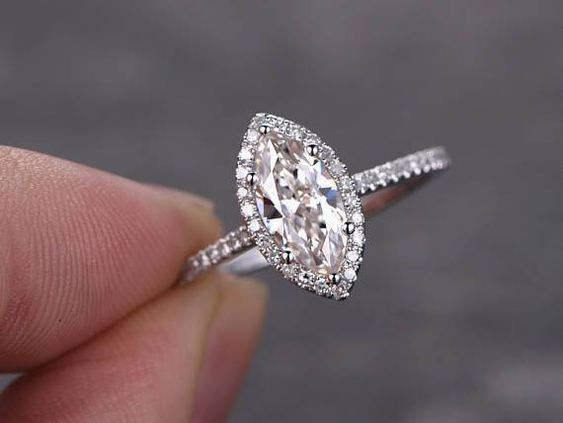
One of the major benefits of lab-made diamonds is the ability to customize your jewelry with the same level of flexibility and artistry as natural diamonds. Whether you are looking for a solitaire engagement ring, a pair of diamond earrings, or a custom-designed pendant, lab-made diamonds can be crafted into any type of jewelry. They are available in a wide variety of cuts, such as round, princess, oval, and more, ensuring that you can find the perfect stone for your style.

Additionally, lab-made diamonds come in various carat weights and can be produced with superior clarity and color grades, offering a broad range of options for those who value both beauty and precision in their jewelry selection. The customization process for lab-made diamond jewelry is virtually identical to that of natural diamonds, ensuring that your finished piece reflects the same level of craftsmanship and brilliance.

Debunking Myths About Lab-Made Diamonds

Despite their growing popularity, there are still misconceptions surrounding lab made diamonds. One common myth is that lab-grown diamonds are somehow inferior to natural diamonds. This is not the case. Lab-made diamonds are real diamonds, with the same chemical composition, hardness, and optical properties as mined diamonds. They are not imitations or fake stones.

Another misconception is that lab-grown diamonds lack value. While natural diamonds have historically held higher market value due to their rarity, lab-grown diamonds are increasingly being recognized as a legitimate, valuable alternative. Their lower cost is not an indication of inferior quality, but rather a result of more efficient production methods.

Conclusion: Lab-Made Diamonds, A Modern Luxury

Lab-made diamonds are a testament to how innovation and technology can transform industries while aligning with modern values of sustainability, ethics, and responsibility. By choosing lab-grown diamonds, consumers can enjoy the same beauty, brilliance, and timeless elegance associated with traditional diamonds while contributing to a more positive and responsible global economy. In a world where ethical choices and karma matter more than ever, lab-made diamonds offer a way to indulge in luxury without compromising on the values that matter most.

How to Sell Designer Bags and Maximize Your Profit

Selling designer bags can be a lucrative venture, especially for those with a keen eye for luxury fashion. Whether you’re looking to clear out your closet or start a full-fledged business, knowing how to sell designer bags effectively is key to maximizing your profit. In this guide, we’ll explore practical steps and strategies for selling designer bags, ensuring that you get the best value for your items.

Why Sell Designer Bags?

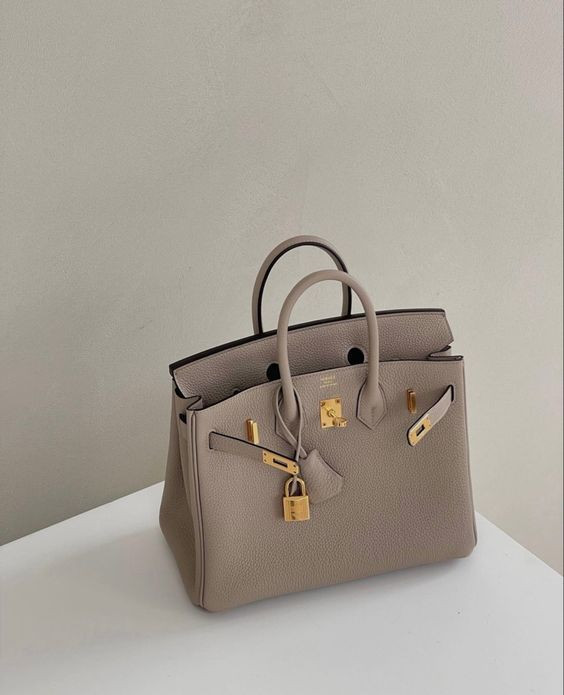
There are several reasons why people choose to sell designer bags. One of the main reasons is to make room for new purchases. Designer bags are often expensive, and if you no longer use them or your style has changed, selling them can free up space and generate some cash. Additionally, designer bags hold their value over time, especially if they are well-maintained, which means you can often sell them for a good price. Knowing how to sell designer bags can turn your unused items into valuable assets.

Identifying Authentic Designer Bags

Before you can sell designer bags, it’s essential to verify their authenticity. Luxury brands like Louis Vuitton, Chanel, and Gucci are often imitated, so ensuring that your bag is authentic is a crucial step in the selling process. Look for telltale signs of authenticity such as serial numbers, stitching quality, and the materials used. If you’re unsure, consider taking your bags to an expert or getting a certificate of authenticity. Being able to confidently say that you are selling authentic designer bags will increase buyer trust and allow you to demand a higher price.

How to Sell Designer Bags Online

Selling designer bags online has become one of the most popular methods, thanks to the widespread reach of the internet. Platforms like eBay, Poshmark, and The RealReal make it easier to connect with buyers looking for high-end items. When selling designer bags online, it’s important to take clear, high-quality photos that showcase the bag’s details, including any flaws. Additionally, writing a detailed description that highlights the brand, condition, and any unique features of the bag can help you stand out from other listings. Selling designer bags online can be highly profitable, but it requires careful attention to presentation and marketing.

Choosing the Right Platform to Sell Designer Bags

There are various online platforms available for selling designer bags, and each comes with its own set of advantages. eBay is one of the oldest and most well-known platforms, offering an auction-style format where buyers can bid on your items. Poshmark, on the other hand, focuses on a social experience where sellers can connect with potential buyers directly. The RealReal specializes in authenticated luxury items, providing a curated marketplace for designer bags. When deciding where to sell designer bags, consider the platform’s fees, audience, and ease of use to ensure that it aligns with your goals and expectations.

Setting the Right Price for Your Designer Bags

One of the most challenging aspects of selling designer bags is determining the right price. You don’t want to price your bags too high and scare away potential buyers, but you also don’t want to undervalue them. Research is key when selling designer bags. Look at similar bags from the same brand and in similar condition to get a sense of the going rate. You can also check online marketplaces to see what other sellers are asking for their bags. Additionally, consider the bag’s rarity, demand, and condition when setting a price. Pricing your designer bags correctly will help you attract serious buyers while ensuring you make a reasonable profit.

Marketing Your Designer Bags

Effective marketing is essential for gold buyers, especially in a competitive market. Besides posting high-quality photos and descriptions on online platforms, you can also promote your bags through social media. Platforms like Instagram are perfect for showcasing luxury items, as they allow you to tap into a large community of fashion enthusiasts. By using relevant hashtags such as #designerbags or #luxuryfashion, you can increase your visibility and reach potential buyers. Marketing your designer bags properly will help you get noticed in a crowded marketplace and sell them faster.

Selling Designer Bags Locally

If you prefer to avoid online platforms, selling designer bags locally is another viable option. Consignment stores, luxury resale boutiques, or secondhand shops often buy high-end bags directly from individuals. This can be a great way to sell your bags quickly without the hassle of shipping or online negotiations. However, be prepared for the fact that these stores may not offer as high of a price as you might receive through online sales. Still, selling designer bags locally can save you time and effort if you prefer a more hands-off approach.

Shipping and Handling When Selling Designer Bags

Once you’ve made a sale, the next step is shipping your designer bags to the buyer. Proper packaging is crucial to protect the bag during transit, especially since designer bags are often fragile or made from high-end materials. Use a sturdy box and plenty of padding to ensure that the bag arrives in the same condition as when it was sold. If you’re selling designer bags online, many platforms will offer pre-paid shipping labels and insurance options to make the process smoother. Make sure to include tracking information to give the buyer peace of mind and confirm the delivery.

Building a Reputation as a Seller

Building a strong reputation is essential when selling designer bags, particularly if you plan to do so regularly. Providing excellent customer service, responding promptly to inquiries, and being transparent about the condition of the bags will help you gain trust and positive reviews. Over time, you’ll develop a loyal customer base that trusts you to sell quality designer bags. A strong reputation can also lead to repeat business and referrals, which can be a significant boost to your sales.

Conclusion

Knowing how to sell designer bags is a valuable skill that can help you turn luxury items into cash. Whether you choose to sell online, locally, or through consignment, the key to success is authenticity, proper pricing, and effective marketing. By following the tips in this article, you’ll be well on your way to successfully selling designer bags and maximizing your profit.

The Art of Selling Gold Jewelry

Selling gold jewelry can be a productive endeavor whenever drew closer with the right techniques and information. Whether you’re looking to downsize your collection, liquidate resources, or just make some additional cash, understanding the vital parts of selling gold jewelry is urgent for getting the best profit from your investment.

Understanding the Worth of Gold Jewelry

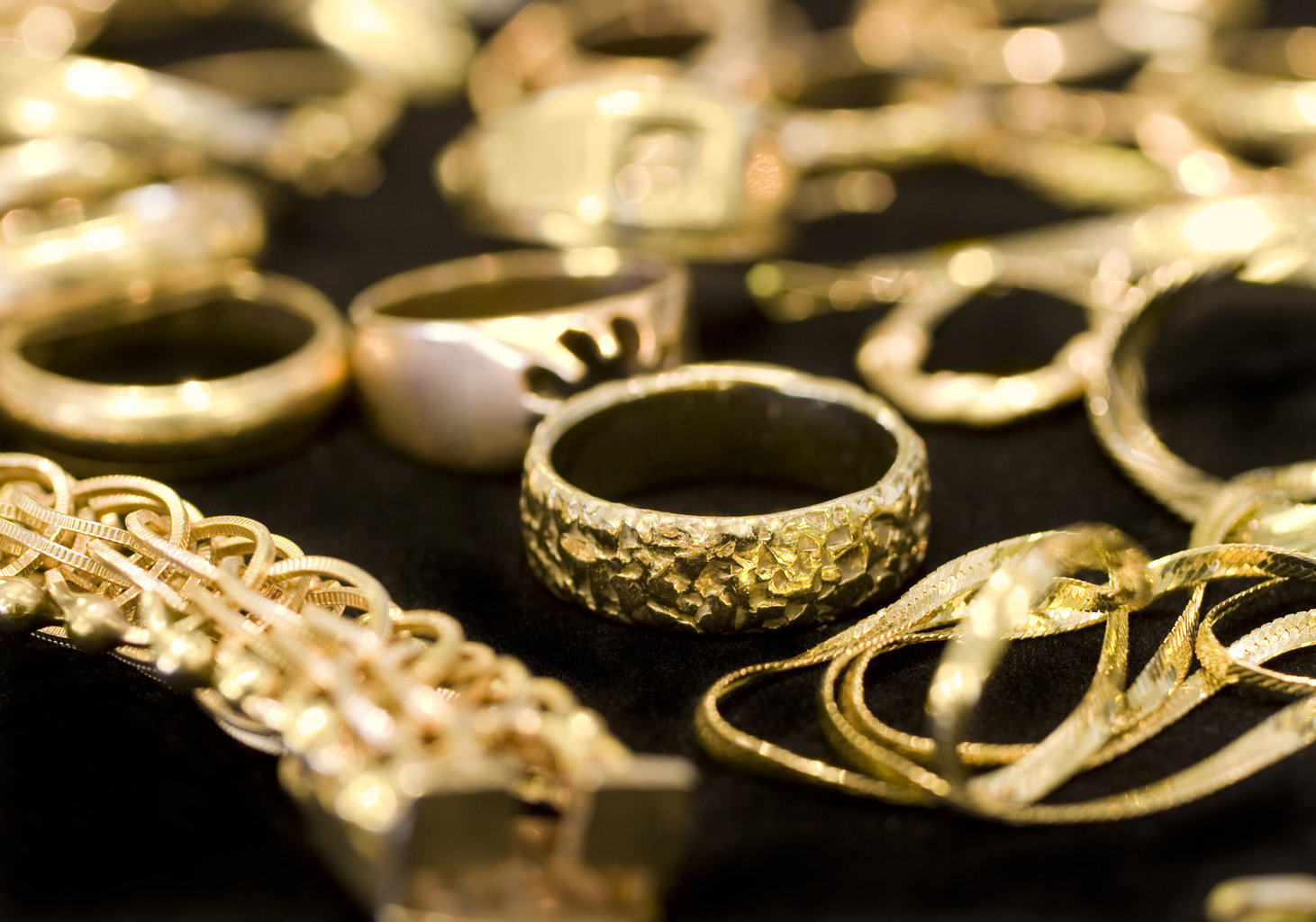
Before selling gold jewelry, understanding its value is fundamental. The worth of gold jewelry is determined by its immaculateness, weight, and the ongoing business sector cost of gold. Gold jewelry is regularly estimated in karats, with 24-karat gold being the most perfect form. Knowing the karat of your gold jewelry will assist you with assessing its worth all the more precisely. For instance, 18-karat gold jewelry is worth more than 14-karat gold jewelry. Research the momentum gold market cost to get a baseline for what you can expect while selling gold jewelry.

Choosing the Ideal Opportunity to Sell Gold Jewelry

Timing can altogether affect the sum you get while selling gold jewelry. The cost of gold changes in light of economic situations, including economic factors and international occasions. It’s wise to monitor gold costs and sell your gold jewelry when costs are high to augment your benefit. Numerous specialists suggest using online tools or consulting with a financial counsel to follow market drifts and identify the ideal chance to sell gold jewelry.

Finding a Respectable Buyer for Gold Jewelry

Finding a respectable buyer is a basic move toward selling gold jewelry. There are different options accessible, including jewelry stores, pawn shops, and online buyers. Every option has its advantages and disadvantages. Jewelry stores could offer a more straightforward pricing process however could provide lower payouts contrasted with pawn shops. Online buyers frequently offer serious rates and the convenience of Melbourne gold buyers from home. No matter what the course you pick, guarantee the buyer is trustworthy by checking audits and asking for references. It’s likewise useful to get numerous statements to guarantee you’re getting a fair cost for your gold jewelry.

Preparing Your Gold Jewelry for Deal

Legitimate preparation can have an effect while selling gold jewelry. Clean your pieces to guarantee they put their best self forward, as jewelry that is very much maintained can get a more exorbitant cost. Additionally, accumulate any documentation or examinations that could assist with establishing the worth of your gold jewelry. This includes declarations of genuineness, original buy receipts, or examinations from past valuations. Such documentation can assist with validating the quality and worth of your gold jewelry, making it simpler to arrange a superior cost.

Negotiating the Best Cost for Gold Jewelry

Negotiation is a significant part of selling gold jewelry. At the point when you approach likely buyers, be ready to examine the subtleties of your jewelry and its worth. Feature the quality and any novel elements of your gold jewelry to legitimize your asking cost. It’s likewise useful to have a baseline cost in view of your examination and numerous statements to reinforce your negotiating position. Keep in mind, a very much informed seller is bound to accomplish a great arrangement while selling gold jewelry.

Legitimate and Assessment Considerations While Selling Gold Jewelry

While selling gold jewelry, it’s fundamental to know about lawful and charge considerations. Depending on your location, you might have to report the offer of gold jewelry for charge purposes. Look into neighborhood regulations regarding the offer of valuable metals and consult with a duty counselor to guarantee you conform to any lawful requirements. This will assist with avoiding any expected issues and guarantee that your offer of gold jewelry is conducted without a hitch and within lawful limits.

Conclusion

Selling gold jewelry can be a rewarding encounter when drawn closer with the right information and preparation. By understanding the worth of your gold jewelry, choosing the ideal time and buyer, and preparing for negotiations, you can expand your benefit and guarantee a fruitful deal. Make sure to consider lawful and charge implications to finish the process without a hitch. Whether you’re selling gold jewelry as a one-time occasion or as a component of a bigger technique, these tips will assist you with navigating the process with confidence.