

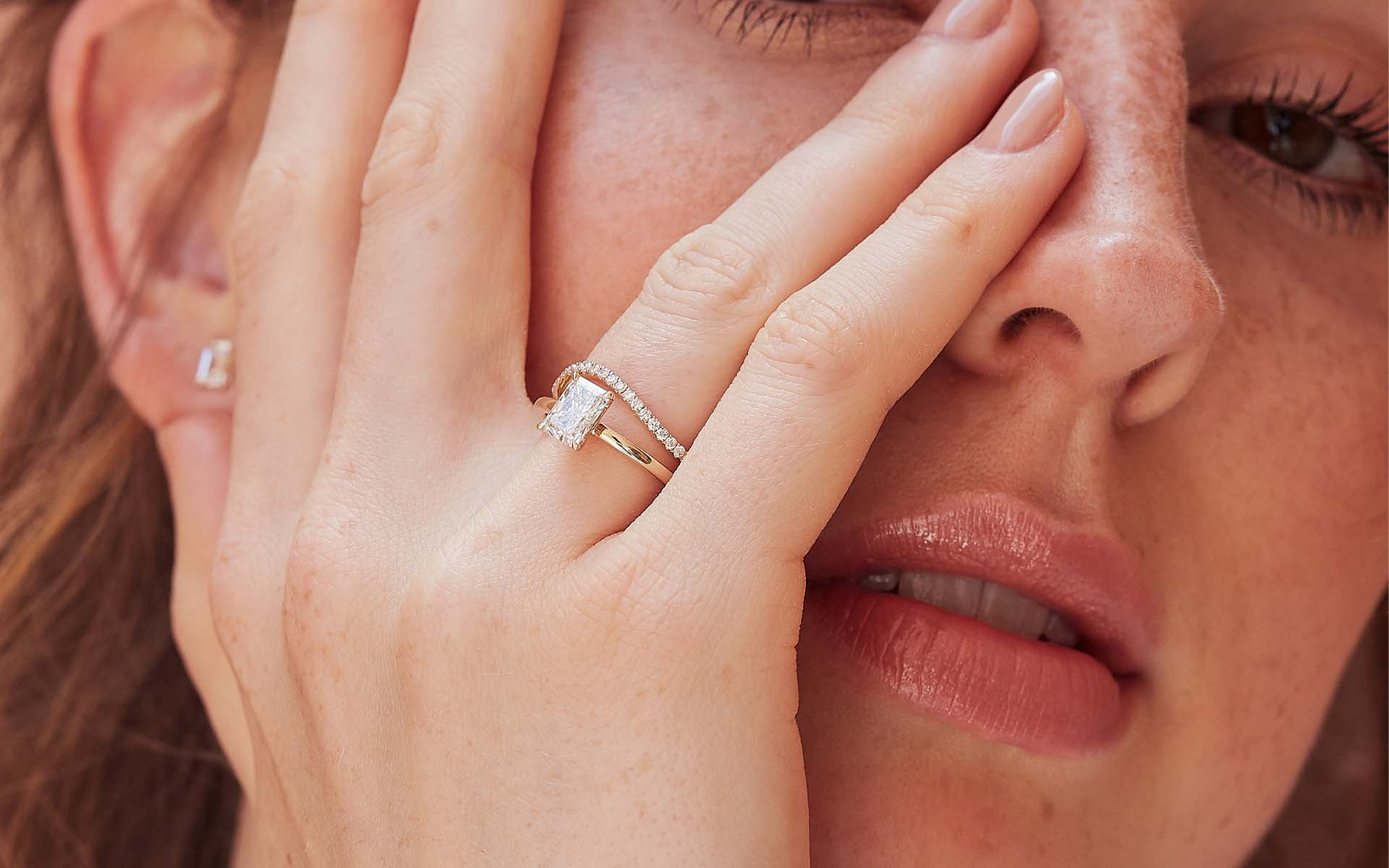
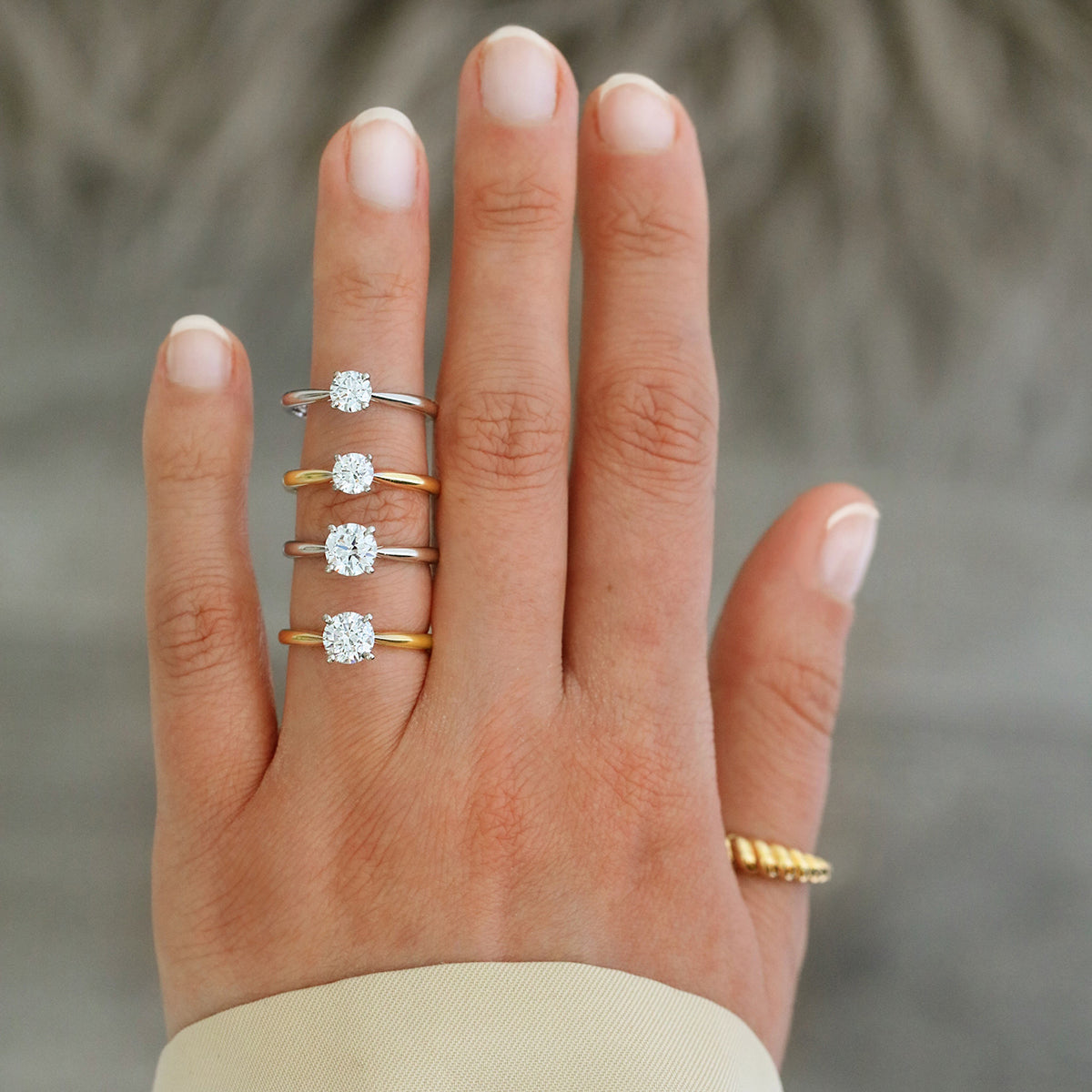


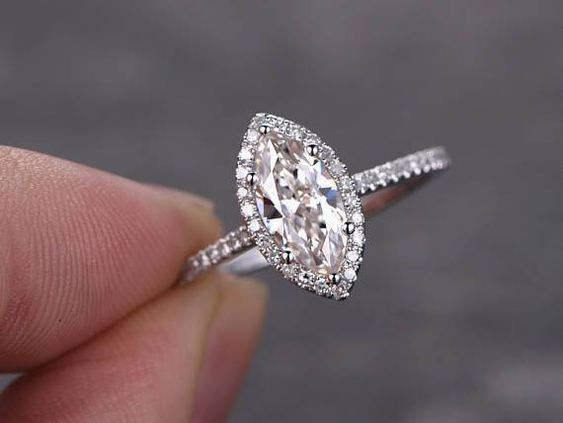
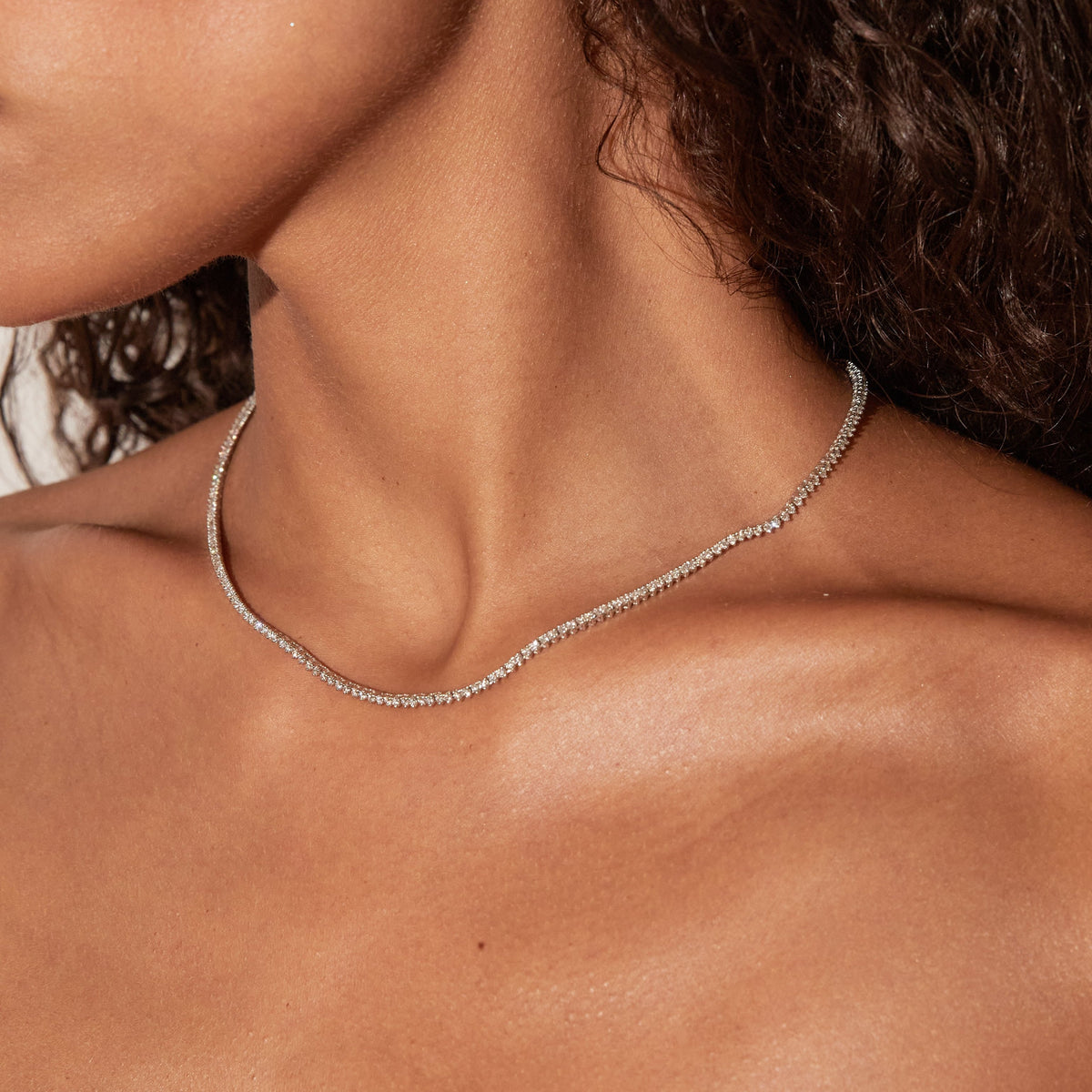
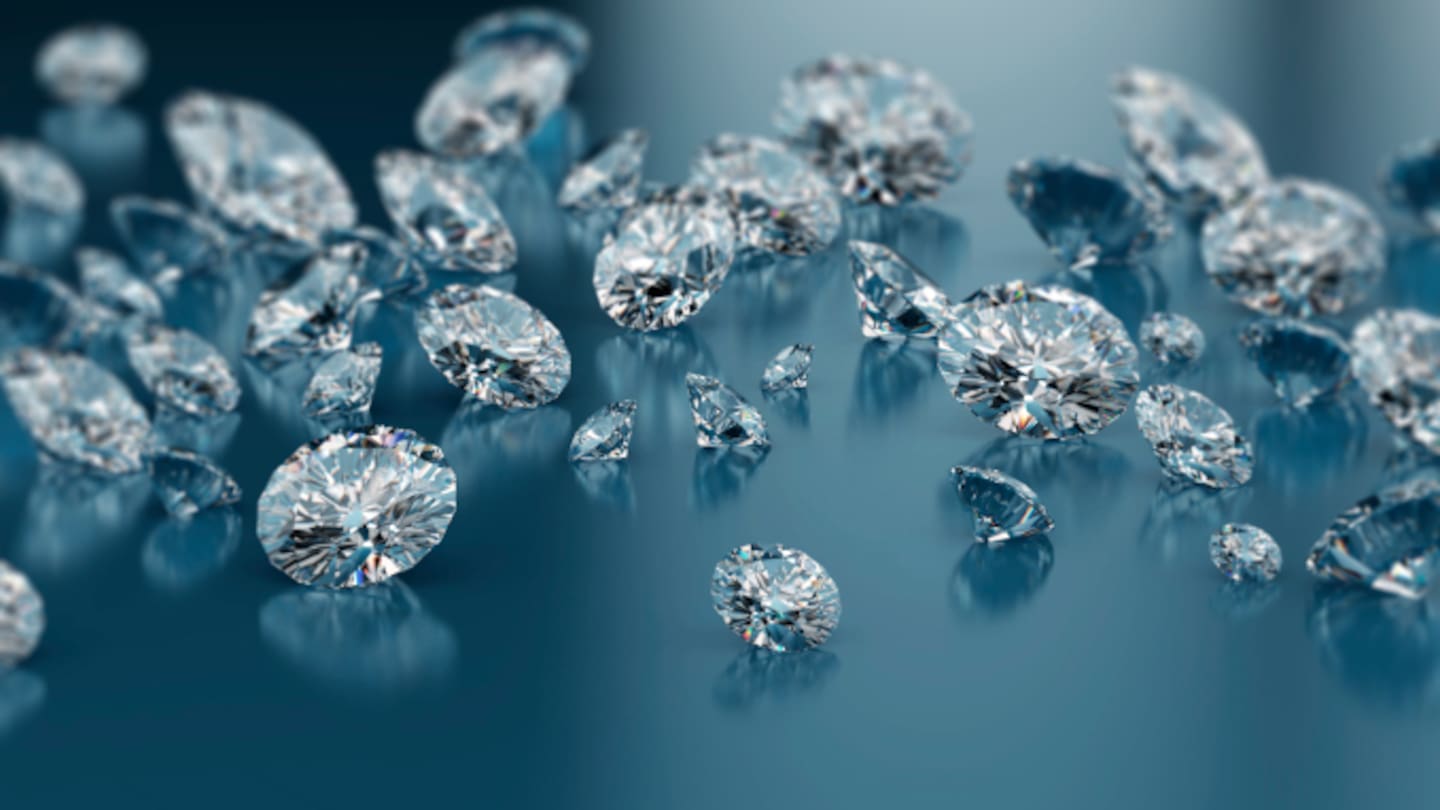
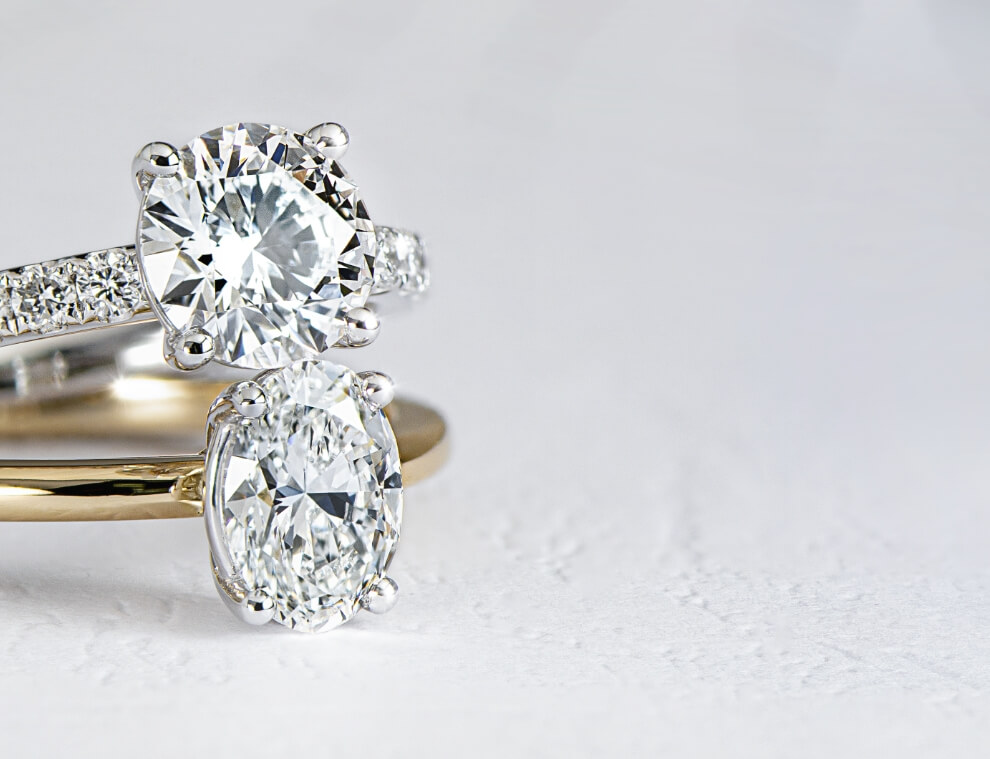
Diamonds have always been a symbol of elegance, love, and luxury. Traditionally, these precious stones were mined from deep within the earth. However, with the advancement of technology and growing awareness of sustainability, lab-grown diamonds, also known as man-made diamonds, have gained immense popularity. These diamonds are chemically, physically, and optically identical to natural diamonds but are created in controlled laboratory environments rather than being extracted from the earth.
Just like natural diamonds, lab-grown diamonds are evaluated based on the 4Cs – Cut, Color, Clarity, and Carat Weight. Understanding these factors is essential whether you are buying a diamond engagement ring or investing in fine jewelry. In this article, we will explore the 4Cs of lab diamonds in detail, helping you make an informed choice.
What Are Lab Diamonds?
Before diving into the 4Cs, let’s clarify what lab-grown diamonds are. Lab diamonds are real diamonds created using advanced technology that replicates the natural diamond formation process. The two most common methods used are:
-
HPHT (High Pressure, High Temperature): Mimics the natural conditions under which diamonds form beneath the Earth’s crust.
-
CVD (Chemical Vapor Deposition): Uses a carbon-rich gas mixture to grow diamond crystals layer by layer.
These methods result in diamonds that are indistinguishable from mined diamonds, even under a jeweler’s loupe. The only difference lies in their origin.
Understanding the 4Cs of Lab Diamonds
The 4Cs – Cut, Color, Clarity, and Carat Weight – were originally developed by the Gemological Institute of America (GIA) as a universal standard for evaluating diamonds. These same principles apply to lab-grown diamonds.
1. Cut: The Sparkle Factor
The cut of a diamond is often considered the most important of the 4Cs because it directly impacts how much a diamond sparkles. It doesn’t refer to the shape of the diamond (round, oval, princess, etc.), but rather to how well the facets are proportioned, polished, and angled to reflect light.
A well-cut lab diamond will display exceptional brilliance, fire, and scintillation. The cut grades, as defined by GIA, include:
-
Excellent: Maximum brilliance and sparkle.
-
Very Good: Slightly less brilliance but still highly beautiful.
-
Good: Adequate sparkle, but less reflective.
-
Fair: Noticeably less brilliance.
-
Poor: Minimal sparkle, dull appearance.
Tip: Always prioritize the cut when buying a lab diamond. Even if you compromise slightly on color or clarity, a well-cut diamond will still appear stunning.
2. Color: The Hue of Perfection
Diamonds are graded on a color scale ranging from D (colorless) to Z (light yellow or brown). The less color a diamond has, the more valuable and rare it is. Lab-grown diamonds are graded using the same scale as natural diamonds.
-
D–F (Colorless): Absolutely no color; the most expensive range.
-
G–J (Near Colorless): Slight hints of color that are hard to detect without comparison.
-
K–M (Faint Color): Slight yellow or brown tint visible to the naked eye.
Lab diamonds can also be created in fancy colors such as blue, pink, and yellow, which are rare in nature and highly sought after for unique jewelry.
Tip: If you want the best value, opt for near-colorless lab diamonds (G–H range) as they look almost identical to colorless diamonds but cost significantly less.
3. Clarity: The Purity Within
Clarity refers to the presence of inclusions (internal flaws) and blemishes (surface imperfections) in a diamond. These imperfections occur naturally during the diamond’s formation, and lab diamonds are no exception. However, many lab-grown diamonds tend to have fewer inclusions because they are created in controlled environments.
The GIA clarity scale includes:
-
FL (Flawless): No inclusions or blemishes visible under 10x magnification.
-
IF (Internally Flawless): No internal inclusions, only minor surface blemishes.
-
VVS1, VVS2 (Very Very Slightly Included): Minute inclusions, extremely hard to detect.
-
VS1, VS2 (Very Slightly Included): Minor inclusions visible under magnification.
-
SI1, SI2 (Slightly Included): Noticeable inclusions under magnification.
-
I1, I2, I3 (Included): Obvious inclusions that can affect beauty and durability.
Tip: For the best balance of quality and price, consider lab diamonds with VS1 or VS2 clarity. They appear eye-clean (flaws not visible to the naked eye) while being more affordable than flawless grades.
4. Carat Weight: Size Matters (But Not Always)
Carat weight measures a diamond’s size, not its quality. One carat equals 200 milligrams. Larger diamonds are rarer and therefore more expensive. However, the perceived size of a diamond is also influenced by its cut and shape.
Lab-grown diamonds offer a significant advantage here – you can often afford a bigger stone compared to a mined diamond for the same price.
Tip: Instead of chasing a specific carat weight, look for a balance between size, cut, and budget. For example, a well-cut 0.90-carat diamond can look almost the same as a 1-carat diamond but costs less.
Lab Diamonds vs. Natural Diamonds: Do the 4Cs Differ?
The grading of man made diamonds is almost identical to that of natural diamonds. Both use the same GIA or IGI certification standards. The main difference lies in price and origin:
-
Price Advantage: Lab diamonds can be 30–50% cheaper than natural diamonds of the same quality.
-
Ethical and Sustainable: No mining, no conflict diamonds, and a lower environmental impact.
-
Appearance: Visually and chemically identical to mined diamonds.
Why the 4Cs Matter for Lab Diamonds
Understanding the 4Cs allows you to choose a diamond that matches your preferences and budget. Here’s why they are important:
-
Cut: Maximizes brilliance and beauty.
-
Color: Ensures a bright, white appearance.
-
Clarity: Affects overall look and purity.
-
Carat: Influences size and presence.
Final Thoughts
Lab-grown diamonds are the future of the diamond industry, offering consumers an ethical, affordable, and equally beautiful alternative to mined diamonds. By understanding the 4Cs of lab diamonds – Cut, Color, Clarity, and Carat Weight – you can make a well-informed decision that aligns with your style and budget.
Whether you’re purchasing an engagement ring, a pair of earrings, or a timeless pendant, knowledge of the 4Cs ensures that your diamond sparkles as brilliantly as your love story. Continue reading “The 4Cs of Lab Diamonds: A Complete Guide to Man-Made Diamonds”